
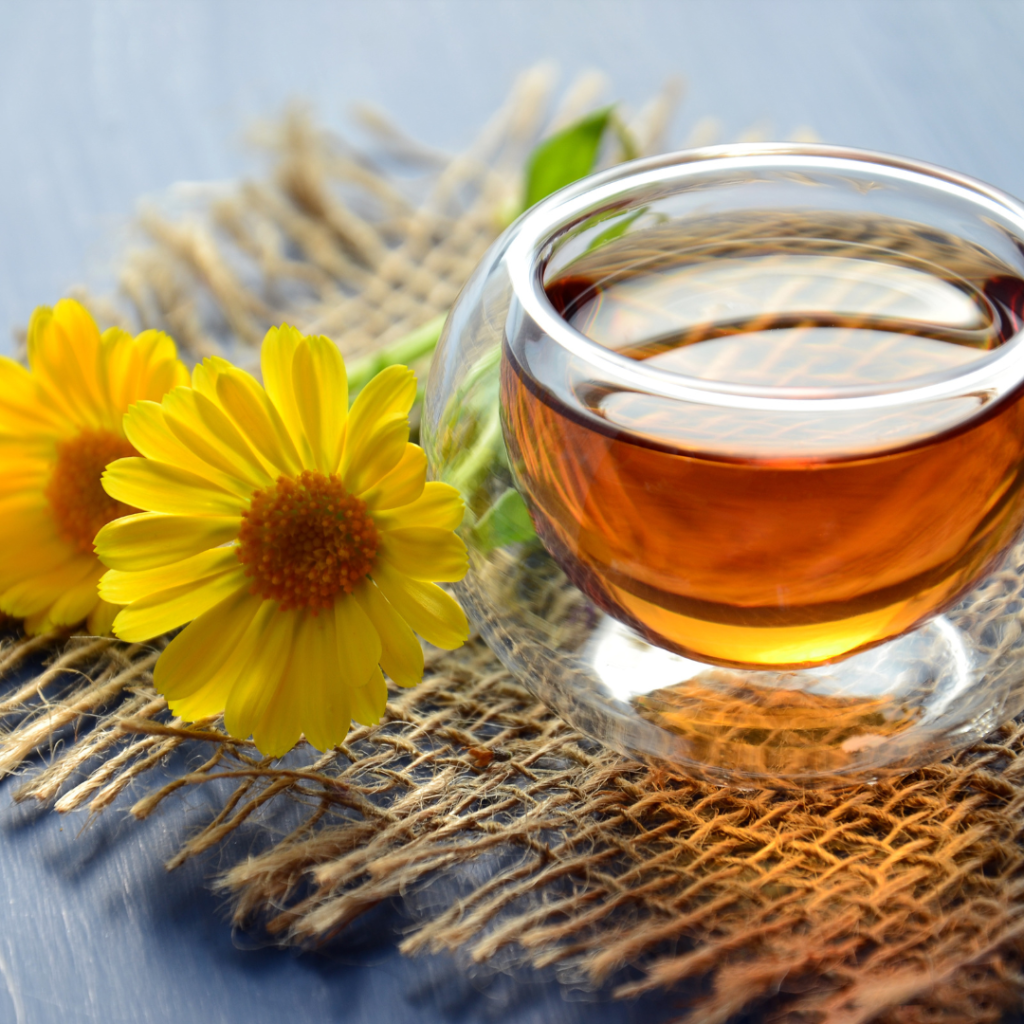
Herbal teas have been cherished for centuries, not just for their delightful flavors but also for their significant impact on emotional well-being. Certain herbal teas offer calming properties that can effectively relieve stress and anxiety, promoting relaxation and a sense of balance. These natural brews provide an accessible way to nurture the mind and body and support overall wellness.
Among the most popular choices are chamomile, lavender, and lemon balm, each known for its distinctive benefits. Chamomile tea serves as a gentle sedative, helping to ease tension and facilitate restful sleep. Lavender tea is praised for its soothing aroma and ability to alleviate stress, while lemon balm tea can uplift mood and reduce anxiety.
Incorporating these herbal teas into daily routines can be a simple yet powerful strategy for managing stress and enhancing overall well-being. Exploring the best options can empower individuals to make mindful choices for their health in a busy world.
How Herbal Teas Promote Stress Relief and Wellbeing
Herbal teas contribute to stress relief and well-being through the presence of various active compounds that interact with the body. These compounds can influence relaxation, reduce cortisol levels, and enhance emotional well-being.
Active Compounds and Their Calming Effects
Herbal teas are rich in active compounds such as theanine and GABA (gamma-aminobutyric acid). Theanine, commonly found in green tea, promotes relaxation without sedation by acting on GABA receptors in the brain. This interaction can result in lower anxiety and enhanced focus.
Other herbs, such as chamomile and lavender, contain apigenin and linalool, respectively. These compounds also support relaxation, helping to soothe the nervous system. Regular consumption of these herbal teas can lead to a cumulative calming effect, making them effective for daily stress management.
Role of Herbal Teas in Managing Cortisol Levels
Cortisol, often referred to as the stress hormone, can have various negative effects on health when levels are elevated. Certain herbal teas help to manage cortisol production. Ashwagandha, for instance, is known for its adaptogenic properties, which can help the body adapt to stress and lower cortisol levels.
Studies show that drinking herbal teas like rooibos, which contains antioxidants, may also contribute to reduced cortisol production. By promoting hormonal balance, these teas can support overall stress management and enhance the body’s resilience to stressors.
Herbal Teas for Emotional Well-Being
The role of herbal teas extends to enhancing emotional well-being. Consumption of teas like peppermint and lemon balm can create a pleasant sensory experience, which may elevate mood.
Additionally, herbal teas provide an opportunity for mindful moments. Engaging in the ritual of tea preparation can serve as a form of self-care, leading to improved mental clarity and emotional stability. This holistic approach makes herbal teas valuable assets in promoting not just physical health but also emotional resilience.
Top Herbal Teas for Stress Relief and Wellbeing
Herbal teas are known for their soothing properties and potential benefits for reducing stress and promoting well-being. Several teas stand out for their ability to help manage anxiety and encourage relaxation.
Chamomile Tea: The Classic Calming Brew
Chamomile tea is a widely recognized herbal remedy for stress and anxiety. Known for its mild sedative effects, it contains antioxidants that may promote better sleep. The apigenin in chamomile binds to receptors in the brain, potentially leading to reduced anxiety symptoms.
Drinking chamomile tea can be a nurturing ritual. The comforting taste and aroma create a serene experience, making it an ideal choice after a long day. It is advisable to enjoy a cup of warm chamomile tea before bedtime to encourage restful sleep.
Lavender Tea: Soothing Aromatic Benefits
Lavender tea is celebrated for its aromatic qualities and calming effects. The scent of lavender is often associated with relaxation, making this tea a popular choice for stress relief. Studies indicate that inhaling lavender aroma or consuming it can reduce anxiety and enhance mood.
Brewing lavender tea can involve either dried lavender flowers or tea bags. The infusion is typically made by steeping the flowers for a few minutes. Drinking lavender tea may also improve sleep quality and alleviate tension, providing an excellent natural remedy for stress.
Lemon Balm Tea: Natural Support for Relaxation
Lemon balm tea, derived from the lemon balm herb, is known for its refreshing flavor and calming properties. This herbal tea acts as a natural sedative and is often used to alleviate stress and anxiety. It can help in lowering cortisol levels, the hormone associated with stress.
To prepare lemon balm tea, the fresh or dried leaves can be steeped in boiling water for around 10 minutes. Consuming this tea regularly may help improve mood and promote relaxation, making it an effective addition to any stress-relief routine.
Other Notable Herbal Teas and Adaptogens for Stress
Numerous herbal teas and adaptogens can aid in stress relief and promote well-being. Each offers unique properties that contribute to relaxation and improved mood, making them valuable additions to any wellness routine.
Valerian Root: A Traditional Sleep-Inducing Herb
Valerian root has been used for centuries to address sleep disorders and anxiety. This herb contains compounds that may enhance GABA (gamma-aminobutyric acid) levels in the brain, promoting relaxation and reducing sleep onset time.
It is particularly effective for those struggling with insomnia. People can prepare valerian tea by steeping the dried root in boiling water for about 10 to 15 minutes. Side effects may include mild drowsiness or digestive upset, so users should consult with a healthcare provider, especially pregnant individuals.
Holy Basil (Tulsi): An Ayurvedic Approach to Stress
Holy Basil, also known as Tulsi, is highly regarded in Ayurvedic medicine for its adaptogenic properties. This herb can help the body adapt to stress by regulating cortisol levels.
Drinking Tulsi tea may improve mood and resilience to stressors. The tea can be made by steeping fresh or dried leaves in hot water. It is packed with antioxidants, making it beneficial for overall health. Regular consumption can contribute to reducing anxiety levels and enhancing mental clarity.
Peppermint Tea: Refreshing, Calming Effects
Peppermint tea is known for its refreshing flavor and calming effects. The menthol in peppermint can help relax muscles and reduce tension, which may alleviate stress-related headaches.
Additionally, the aroma of peppermint has been shown to help improve concentration and boost mood. Preparing peppermint tea is straightforward: users simply steep fresh or dried leaves in hot water for about 5 to 10 minutes. This tea is caffeine-free and can be sipped throughout the day for ongoing stress relief.
Green Tea: L-Theanine and Mood Support
Green tea is well-known for its numerous health benefits, including those associated with stress relief. It contains L-theanine, an amino acid that promotes relaxation without causing drowsiness.
This can improve mood and focus, making it easier to handle stress. Green tea is also rich in antioxidants, including vitamin C and zinc, which support overall well-being. To enjoy this tea, one should steep the leaves in water at a temperature lower than boiling to protect its nutrients. Regular consumption may enhance relaxation and improve mental clarity, providing an effective option for managing stress.
Tips for Choosing and Incorporating Herbal Teas in Daily Life
Choosing the right herbal teas can enhance relaxation and well-being. Proper preparation and awareness of safety considerations are crucial for an optimal experience.
How to Prepare Herbal Teas for Maximum Effect
To benefit fully from herbal teas, focus on high-quality leaves or blends. Fresh herbs deliver more flavor and nutrients. Use about 1 teaspoon of dried herbs per cup or 2 teaspoons of fresh herbs.
Steep the tea for 5 to 10 minutes in hot water, around 200°F (93°C). This allows the active compounds to infuse effectively. For enhanced potency, cover the cup while steeping to trap steam.
For stress relief, consider blends like chamomile, which is known for its calming properties, or valerian root for its sleep-inducing effects. Experiment with different combinations to tailor the experience to personal preferences.
Safety Considerations and Potential Interactions
Before integrating herbal teas into daily routines, individuals should consult health professionals, especially if they have existing health conditions or take medications. Some herbs can interact negatively with medication.
For example, chamomile may enhance the effects of blood thinners, while valerian root can interact with sedatives.
Pregnant or nursing women should also exercise caution. Research any potential side effects or contraindications associated with specific herbs. Always pay attention to how the body reacts to new herbal teas and adjust accordingly.