
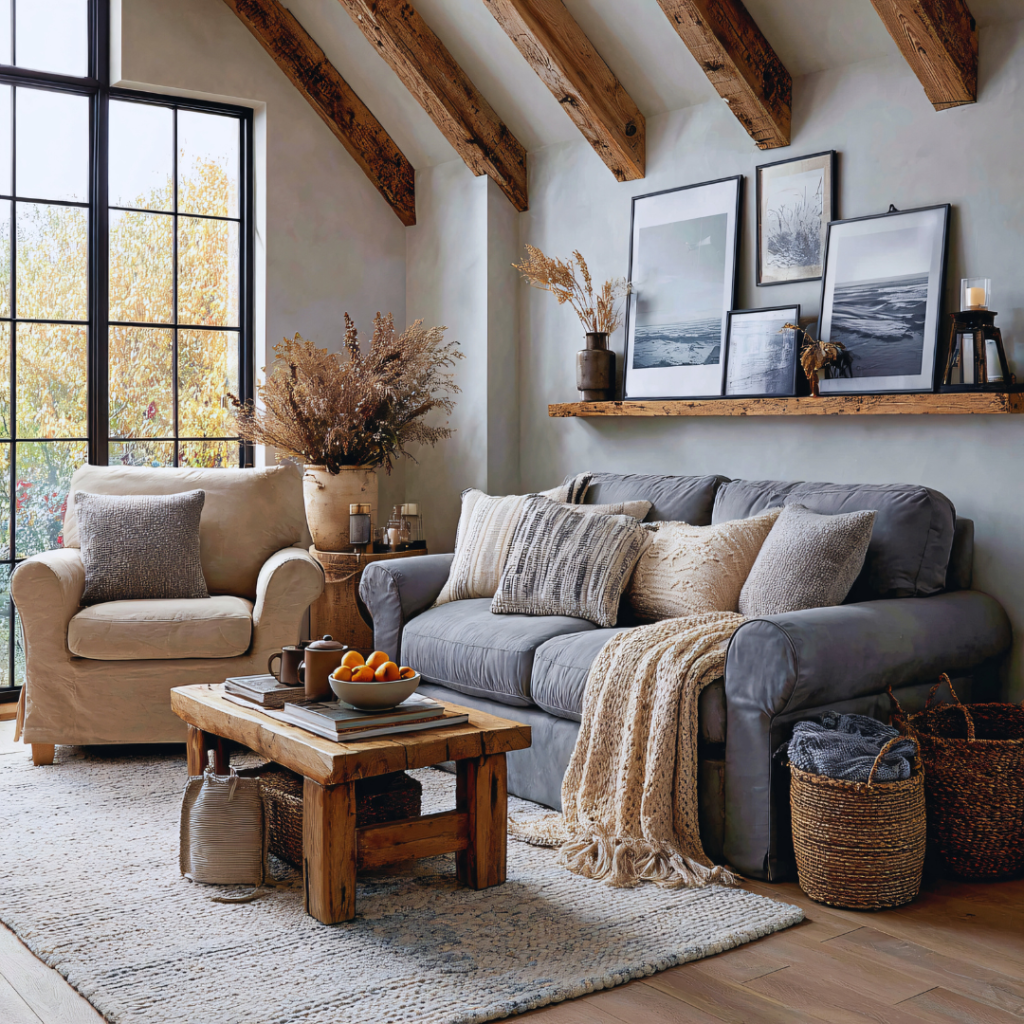
Making your home more comfortable starts with simple, intentional changes that improve daily living. Adjusting lighting, optimizing temperature control, and choosing functional furniture are key steps to creating a more inviting and comfortable space. These factors directly influence how you experience your home in everyday life.
Small adjustments like adding soft textiles, decluttering, and incorporating personal touches can also enhance comfort without major renovations. Paying attention to how each element affects your mood and usability will help you create a home that feels both relaxing and practical.
Understanding What Makes a Home Comfortable
Comfort in a home involves multiple factors working together to create a space that feels safe and welcoming. It includes emotional well-being, physical surroundings, and sensory experiences.
Defining Comfort at Home
Comfort at home means having a place where daily life feels natural and stress-free. It is defined by how well a space meets personal needs for relaxation, safety, and convenience. Factors like temperature control, lighting, and furniture play key roles.
People often associate comfort with familiarity and ease of movement. It also depends on having enough privacy and quietness to recharge. Comfort varies between individuals but generally includes a balance of functionality and aesthetic appeal.
Psychological Impact of a Comfortable Living Space
A comfortable home can reduce stress and improve mood. When a space feels organized and visually pleasing, it supports mental clarity and relaxation.
Colors, lighting, and decor influence emotions deeply. For example, natural light and calming colors like blues or greens encourage a peaceful mindset. Clutter can increase anxiety, so maintaining order is important.
Feeling secure in one’s home also contributes to comfort, helping to lower cortisol levels. This psychological safety encourages better sleep and emotional stability.
Physical Elements That Influence Comfort
Physical comfort is shaped by temperature, air quality, furniture ergonomics, and noise levels. Consistent room temperature between 68-72°F (20-22°C) is ideal for most people.
Good ventilation reduces pollutants and maintains fresh air, which prevents headaches and respiratory issues. Soft, adjustable seating supports posture and reduces physical strain.
Noise control through thick curtains, carpets, or soundproofing materials limits disruptions. Proper lighting, combining natural and adjustable artificial sources, minimizes eye strain.
Optimizing Indoor Temperature and Air Quality
Maintaining a consistent indoor temperature and ensuring clean air are crucial for home comfort. Efficient heating or cooling, proper airflow, and filtering systems all play important roles in creating a pleasant and healthy environment.
Effective Temperature Control Solutions
Programmable thermostats allow precise temperature management throughout the day. They can adjust settings automatically, reducing energy use when rooms are unoccupied.
Zoned HVAC systems enable different rooms to maintain distinct temperatures, catering to varied preferences without wasting energy. For homes without central systems, smart space heaters or fan units offer targeted comfort.
Insulating windows and doors minimizes drafts and heat loss. Using thermal curtains further helps stabilize indoor temperatures by blocking outside cold or heat. These measures reduce the workload on heating and cooling devices.
Improving Ventilation
Proper ventilation exchanges stale indoor air with fresh outdoor air, reducing humidity and pollutants. Mechanical systems like exhaust fans in kitchens and bathrooms remove moisture and odors efficiently.
Energy Recovery Ventilators (ERVs) transfer heat and moisture between incoming and outgoing air streams. This balance maintains air quality without sacrificing energy efficiency.
Opening windows during mild weather can supplement mechanical ventilation, especially in commonly used rooms. However, avoid this in high pollution or extreme temperature conditions to maintain indoor air quality.
Choosing the Right Air Purifiers
Air purifiers with HEPA filters trap airborne particles such as dust, pollen, and pet dander. Choose purifiers sized appropriately for the room to ensure effective filtration.
Activated carbon filters help reduce odors and volatile organic compounds (VOCs) from paints or cleaning products. This combination improves both particulate and chemical air contaminants.
For homes with smokers or allergy sufferers, high-efficiency models are essential. Regular maintenance, including timely filter replacement, keeps purifiers performing optimally.
Enhancing Lighting for Comfort
Good lighting increases a room’s usability and atmosphere. It balances brightness and warmth while reducing eye strain. Adjusting natural and artificial light sources can create a more inviting, functional space.
Maximizing Natural Light
Natural light improves mood and reduces energy costs. Use sheer curtains or blinds that can easily open to let in daylight without harsh glare. Keep windows clean and free from heavy drapes that block sunlight.
Position mirrors opposite windows to reflect light deeper into the room. Trim outdoor plants or trees that shade windows excessively. Skylights or light tubes are options to increase sunlight in darker areas.
Natural light should be balanced with furniture placement—avoid dark corners by placing seating near windows. This approach makes rooms feel more open and welcoming throughout the day.
Selecting Appropriate Artificial Lighting
Choose lighting based on the room’s purpose. For general lighting, use ceiling fixtures with bright, diffused bulbs between 2700K and 3000K for warmth. Avoid overly harsh or cool lights that create discomfort.
Task lighting is important in work or reading areas. Desk lamps or adjustable floor lamps with focused beams help reduce eye strain. LED bulbs are energy-efficient and offer various brightness levels.
Layering light sources—ambient, task, and accent—improves flexibility and comfort. Use dimmers to adjust intensity and avoid uniform lighting that can feel clinical or dull.
Lighting for Mood and Productivity
Light color and intensity influence both mood and productivity. Warm light (2700K–3000K) creates a relaxing atmosphere, ideal for living rooms and bedrooms. Cooler light (4000K–5000K) promotes alertness for workspaces and kitchens.
Consider smart bulbs or timers to shift lighting throughout the day. Bright light in the morning supports wakefulness, while dimmer settings in the evening aid relaxation.
Accent lighting, like wall sconces or LED strips, highlights decor and adds depth. Combining these elements helps tailor the environment to suit specific daily needs and personal comfort preferences.
Choosing Comfortable Furniture and Arrangements
Comfortable living starts with the right furniture and a thoughtful layout. Careful selection of pieces that support the body, combined with smart arrangement and soft materials, can significantly improve how a home feels and functions.
Selecting Ergonomic Furniture
Ergonomic furniture prioritizes health and comfort by supporting natural body posture. Look for chairs with adjustable lumbar support and seats that encourage proper alignment. Sofas and beds with firm, but cushioned surfaces help reduce strain during long periods of use.
Materials matter; mesh backs promote airflow, while memory foam cushions contour to body shape, enhancing comfort. Choose furniture that suits the space size to avoid crowding or awkward gaps. Pay attention to height, depth, and firmness based on personal needs, especially for frequently used items like desks and lounge chairs.
Arranging Spaces for Cohesion and Flow
Placement of furniture affects movement and usability in a room. Create clear pathways to avoid obstacles and maintain an open feel. Group seating to encourage conversation and balance the scale of pieces relative to the room size.
Use a layout that aligns with the room’s purpose. For example, position reading chairs near light sources and arrange dining furniture for easy access. Avoid pushing all furniture against walls; floating pieces can improve flow and create intimate zones.
Incorporating Soft Textures and Fabrics
Soft textures enhance comfort by adding warmth and tactile appeal. Layer throw blankets, cushions, and rugs made from materials like cotton, wool, or microfiber to increase coziness.
Choose fabrics that are breathable and easy to maintain. Natural fibers like linen or wool regulate temperature and feel pleasant against the skin. Consider slipcovers for high-traffic furniture to protect surfaces and allow easy cleaning without sacrificing softness.
Promoting a Calm and Organized Environment
Creating a peaceful home starts with reducing clutter, implementing efficient storage, and choosing design principles that encourage tranquility. These steps build a foundation for calm and order.
Decluttering Methods
Start by sorting items into categories: keep, donate, recycle, or discard. This immediate categorization simplifies decision-making and reduces unnecessary possessions.
Set daily or weekly limits for decluttering sessions to maintain focus without feeling overwhelmed. Use boxes or bins labeled by category to streamline the process visually.
Target high-traffic areas first, such as entryways or living rooms. Clearing these spaces improves both appearance and functionality quickly.
Smart Organization Solutions
Utilize vertical space with shelves or wall hooks to free floor areas. Multi-functional furniture like ottomans with storage compartments maximizes utility without extra clutter.
Label storage containers and use clear bins to make contents easily visible. Group similar items together to speed up retrieval.
Consider drawer organizers, under-bed storage, and closet systems tailored to your specific needs. Efficiency reduces stress by keeping essentials accessible and orderly.
Incorporating Minimalism
Focus on quality over quantity. Select furnishings and decor that serve multiple purposes or enhance comfort without overwhelming space.
Choose neutral colors and simple patterns to produce a serene atmosphere. Remove unnecessary decorative items that do not add functional or emotional value.
Adopt a mindset of intentional acquisition. Before buying, ask whether the item contributes to comfort or organization. This prevents future clutter buildup.
Incorporating Personal Touches and Style
Making a home comfortable involves choices that reflect the people living there. This means selecting items and design elements that create a familiar and welcoming atmosphere, using color to influence mood, and including activities or interests that bring joy and relaxation.
Displaying Meaningful Decor
Choose decor that tells your story or connects to important memories. This can include family photos, travel souvenirs, or handmade crafts. Place these items in prominent areas like living rooms or entryways to foster a sense of identity and warmth.
Avoid overcrowding surfaces with too many objects. Instead, opt for a few key pieces that hold personal significance. Rotating decor seasonally or as interests change keeps spaces fresh without losing their meaning.
Using Personalized Color Palettes
Select colors that make you feel calm and energized, depending on the room’s purpose. For example, soft blues or greens promote relaxation in bedrooms, while warm tones like reds or oranges can stimulate conversation in social areas.
Experiment with accent walls or accessories to introduce preferred colors without committing fully. Use a palette of 3-5 harmonious shades to keep rooms coordinated while maintaining personal style.
Integrating Hobbies Into the Home
Incorporate elements related to your hobbies to create functional and inspiring spaces. If you enjoy reading, design a cozy nook with shelves and comfortable seating. For music lovers, include instruments or listening areas visible yet unobtrusive.
This integration supports daily enjoyment and refreshes the home’s atmosphere. Use storage solutions that keep hobby-related materials organized and easy to access while maintaining overall tidiness.
Soundproofing and Reducing Noise
Reducing unwanted noise at home improves focus, relaxation, and sleep quality. Practical steps include blocking sound entry, selecting appliances with low noise output, and using materials designed to absorb sound waves.
Simple Soundproofing Techniques
Start by sealing gaps around windows and doors with weatherstripping or acoustic caulk. These small fixes prevent external noise from slipping through cracks.
Installing heavy curtains or double-pane windows can block more sound. Using door sweeps reduces noise from hallways and vents.
Furniture placement also helps—bookshelves or upholstered items against walls absorb sound. Adding rugs to bare floors reduces echo inside rooms. Each of these methods limits noise transmission without major renovations.
Choosing Quiet Appliances
Opt for appliances designed with noise reduction in mind. Look for models rated with decibel (dB) levels, aiming for those below 50 dB for quiet operation.
Examples include dishwashers with sound insulation, air purifiers with silent modes, and refrigerators engineered to minimize compressor noise.
Regular maintenance, like cleaning filters and lubricating moving parts, keeps appliances running smoothly and quietly over time.
Adding Noise-Absorbing Materials
Materials like acoustic panels, foam tiles, and thick carpets absorb sound instead of reflecting it, reducing ambient noise.
You can install wall panels made from fiberglass or mineral wool. These diffuse sound across multiple frequencies, lowering noise levels inside.
Soft textiles—such as heavy drapes, upholstered furniture, and fabric wall hangings—also contribute significantly. Combining these with rugs and cushions enhances overall sound absorption.
Adding Greenery and Nature Elements
Introducing plants and natural materials into your home can improve air quality, enhance mood, and create a calming atmosphere. Choosing the right plants and integrating natural textures also ensures ease of care and a cohesive design.
Benefits of Indoor Plants
Indoor plants increase oxygen levels and reduce indoor pollutants like formaldehyde and benzene. They help regulate humidity by releasing moisture, which can make the air feel fresher and less dry.
Plants also improve mental focus and reduce stress. Studies show that caring for greenery can enhance mood and productivity.
Additionally, plants can soften the look of hard surfaces and add vibrant color. They act as natural air purifiers, complementing mechanical filtration without extra energy use.
Selecting Low-Maintenance Greenery
Choose plants based on light conditions and your commitment to care. Snake plants, pothos, and ZZ plants thrive in low light and require minimal watering, making them ideal for beginners.
Succulents and cacti store water and tolerate dryness, needing watering only every few weeks. Avoid plants that demand daily attention or precise humidity levels if you want simplicity.
Use a checklist to match plant needs:
| Plant Type | Light Preference | Watering Frequency | Care Level |
| Snake Plant | Low to bright | Weekly | Low |
| Pothos | Low to medium | Weekly | Low |
| ZZ Plant | Low to bright | Biweekly | Low |
| Succulents/Cacti | Bright | Biweekly to monthly | Low |
Incorporating Natural Materials
Using natural materials like wood, stone, and woven fibers adds texture and warmth to the home environment. Wood furniture and flooring provide visual comfort and durability.
Stone elements, such as countertops or decorative objects, bring a tactile contrast to softer textiles. Woven baskets and rugs introduce organic patterns that complement plants.
Balance synthetic and natural materials to avoid a cluttered or artificial feel. Focus on pieces with simple, clean lines to maintain a relaxed, welcoming space.
Improving Comfort in Outdoor Spaces
Outdoor spaces become extensions of the home when they cater to relaxation, socializing, and protection from the elements. Thoughtful design, furnishings, and functional features make these areas enjoyable year-round.
Creating Inviting Patios and Balconies
Use durable materials like stone or composite decking to ensure longevity and easy maintenance. Adding textured rugs can soften hard surfaces and define seating areas. Incorporate greenery through potted plants or vertical gardens to boost visual appeal and air quality.
Lighting is essential; choose warm LED string lights or lanterns to create a calming atmosphere. Place accents such as cushions and throws in weather-resistant fabrics. Keep foot traffic in mind by leaving enough open space for movement and conversation.
Choosing Comfortable Outdoor Furniture
Select furniture that balances durability with ergonomic design. Chairs with supportive backs and cushions improve posture during extended use. Materials like teak, aluminum, and synthetic wicker handle weather exposure well without frequent upkeep.
Consider modular sets for flexibility—these allow rearranging to suit different gatherings. Compact pieces work better for smaller balconies. Always provide waterproof or quick-drying cushions to prevent mold and staining.
Adding Shade and Privacy
Install retractable awnings, pergolas, or umbrellas to control sun exposure while retaining airflow. Choose adjustable options for varying levels of protection throughout the day. Shade structures should complement the home’s architectural style.
For privacy, use screens, lattice panels with climbing plants, or tall potted hedges. These barriers block wind and noise, creating a secluded feel without isolating the area. Implementing both shade and privacy defines the outdoor space as comfortable and functional.